Ice Dam Prevention in Bloomington, MN
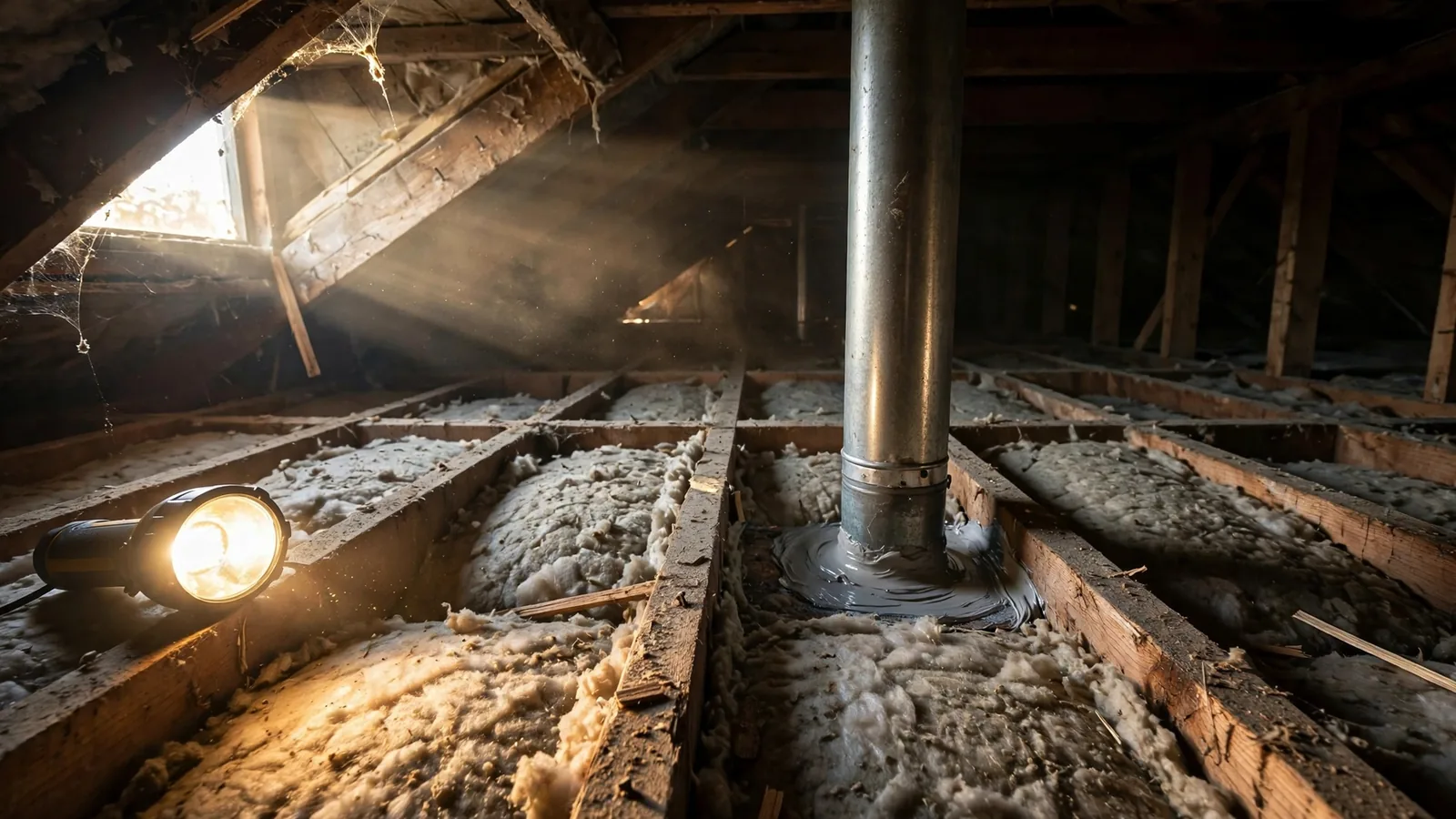
Every ice dam is a symptom. The disease is heat — house heat, escaping into the attic, warming the roof deck until the snowpack melts from underneath. Steam removal treats the symptom. Prevention treats the disease, and it happens in the attic: sealing the air leaks, evening out the insulation, and making sure ventilation can pull cold outside air along the underside of the roof deck all winter.
The work starts with a diagnosis, because the three ingredients matter in different proportions at every house. One home's problem is an unsealed attic hatch and a forest of recessed lights bleeding heat. Another's is insulation that's four inches deep over the living room and fourteen over the garage. A third has plenty of both but soffit vents buried under insulation, so the attic can't breathe. Your provider measures your house's actual mix instead of selling you the standard package.
Spring, summer, and fall are prevention season — the work is far easier in a cool attic than a February one, and it's finished before the first snowpack loads the roof. Homeowners who have steamed off dams two winters running are the ones who benefit most: they know exactly what the symptom puts them through every January.
Signs your home needs prevention work
- Ice dams form every winter, or most winters, no matter what you rake
- Uneven melt patterns on the roof — bare patches showing where heat escapes fastest
- Rows of large icicles along the same eaves, year after year
- An attic that feels noticeably warm in winter, or frost coating the underside of the roof deck
- Insulation that's thin, uneven, or missing over parts of the house
- Cathedral ceilings — the classic high-risk design with no attic buffer
How your provider prevents ice dams
1. Attic assessment
Your provider inspects the attic end to end: insulation depth and coverage, the obvious heat bypasses (hatch, lights, chases, fan ducts), ventilation paths, and any frost or water staining on the deck that maps last winter's melt pattern.
2. Air sealing first
The biggest wins are usually here: sealing the attic hatch, plumbing and wiring penetrations, recessed light housings, and duct chases so warm house air stops rising into the attic. Insulation added over open bypasses just buries the leaks — sealing comes first.
3. Insulation brought up to level
With the bypasses sealed, insulation is added to an even, adequate depth across the whole attic floor — including over the spots older installs skipped. Even coverage matters as much as depth: one thin patch is one warm stripe on the roof.
4. Ventilation balanced
Soffit vents get cleared and baffled so insulation can't block them, and the intake-to-exhaust path is checked so cold air sweeps the full underside of the deck. Your provider also flags the roofing-side item for your next re-roof: ice-and-water shield membrane along the eaves as a second line of defense.
Prevention in Bloomington's housing stock
Bloomington is nearly ideal prevention territory because its homes were built in a narrow band of eras. The 1950s–70s ramblers and split-levels went up before insulation standards tightened — many still carry their original attic insulation, plus fifty years of homeowner additions that punched new holes in the ceiling plane. The 1970s and 80s builds added cathedral ceilings and recessed lighting, two of the strongest heat-loss features a roof can have. Local prevention pros read these houses fluently: they know where the builders of each era put the chases, the hatches, and the shortcuts, and they check those spots first.
Need ice dam prevention in Bloomington?
One call connects you with a local technician. No forms.
(555) 234-5678📞 Call Now