Ice Dam Removal in Bloomington, MN
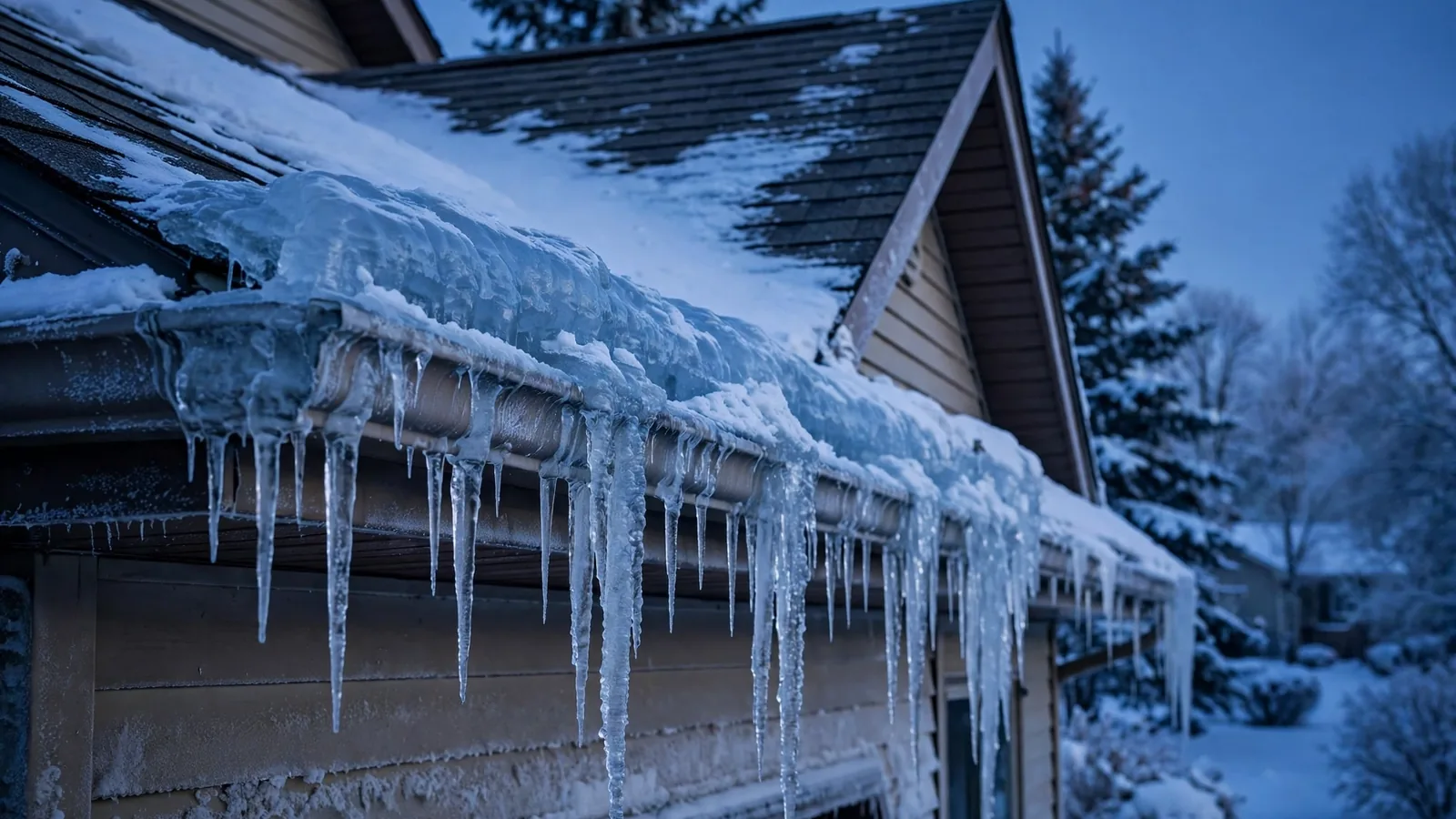
Water stains spreading across a top-floor ceiling, icicles thickening along the eaves, or a drip that only appears on sunny winter afternoons? Call — independent local ice dam pros serve Bloomington and the south metro. Describe what you're seeing, and they'll walk you through what happens next.
⚠ Ice dam leaking into your home? Do this before you call:
- Put buckets or towels under active drips and move furniture, rugs, and electronics out of the wet area.
- If water is dripping near outlets, switches, or light fixtures, stay clear of them — don't flip switches in a wet area.
- Note where the ice ridge and icicles sit along the eaves, and where the water is coming in. Don't climb onto an icy roof to look closer.
- Call — describe where the water is entering and what the roofline looks like from the ground.
Why homeowners call Bloomington Ice Dam Pros
Ice Dam Removal services in Bloomington
Ice Dam Removal
Ice dam on your Bloomington, MN roof? Call (555) 234-5678 — steam removal by independent local pros.
Learn more →Roof Snow Removal
Deep snow on your Bloomington, MN roof? Call (555) 234-5678 — safe roof snow clearing by independent local pros.
Learn more →Ice Dam Prevention
Ice dams every winter in Bloomington, MN? Call (555) 234-5678 — attic air sealing and insulation fixes by local pros.
Learn more →Roof Leak Repair
Winter roof leak in Bloomington, MN? Call (555) 234-5678 — local pros trace ice-dam leaks to the source and repair them.
Learn more →Built for Bloomington winters
Bloomington's ice dam problem starts in the attic, not on the roof. Much of the city's housing stock — the ramblers and split-levels built from the 1950s through the 1970s around Old Shakopee Road, Penn Avenue, and the Normandale area — went up before modern insulation and air-sealing standards. Heat escapes through attic hatches, recessed lights, and plumbing chases, warms the roof deck, and melts the snowpack from underneath. That meltwater runs down to the cold eaves, refreezes, and builds the ice ridge that backs water up under the shingles.
Minnesota winters do the rest. Heavy snow loads, weeks of deep cold, and freeze-thaw swings in February and March mean a Bloomington roof can carry a thick snowpack for months — plenty of raw material for dams, and plenty of melt on every sunny afternoon. Cathedral ceilings in the city's later builds are a special case: there's little or no attic buffer, so heat reaches the roof deck directly and dams form even on well-kept homes. Local ice dam pros work these exact patterns all winter — they know which roof shapes dam first, where the water travels once it's inside, and why steaming the ice off is only half the fix.
How it works
Have this ready when you call — where water is coming in, what the ice along your eaves looks like from the ground, and whether your home has had ice dams before. It helps the provider arrive prepared, and it keeps your call focused.
Call the number above
Describe what you're seeing: the location of any stains or drips, how thick the ice ridge looks, and which side of the house it's on. They'll tell you whether it sounds like a removal job, a prevention conversation, or something to watch.
An independent local pro takes it from there
Your provider assesses the roof and the attic side of the problem, explains how the ice will come off — steam is the standard method — and lays out the plan before any work starts. No vague verbal summaries.
Ice off, leak stopped, root cause addressed
The dam comes off in sections, meltwater paths are cleared, and your provider talks through the prevention side — insulation, air sealing, ventilation — so next winter's snowpack has less to work with. One call starts the whole process.
Need ice dam removal in Bloomington?
One call connects you with a local technician. No forms.
(555) 234-5678📞 Call Now
Ice Dam Removal questions, answered
What exactly is an ice dam?
Why does my house get ice dams every winter?
Can I remove an ice dam myself?
Are icicles always a sign of an ice dam?
The leaking stopped — do I still need to call?
How do I keep ice dams from coming back next winter?
Which areas do local ice dam pros serve?
Does homeowners insurance cover ice dam damage?
Serving Bloomington and nearby towns
Independent pros connected through this site are based around Bloomington and serve the south metro — including ZIP codes 55420, 55425, 55431, 55437, and 55438. If you're nearby and an ice dam is sending water into your home, call and they'll tell you straight whether they can reach you.